Loading…
Global fermentation directory — free while we build it
Loading…
50 results
Berliner Weisse brewed the traditional, naturally sour way, including Luise Königliche Weisse and collaborations with Schneeeule.
A Brandenburg vinegar manufactory, founded in 2011, making organic wine and fruit vinegars aged in wooden barrels.
Achar made by 550 women, the 'didis', from rural India across 43 villages. Founded in 2021 and sold online.
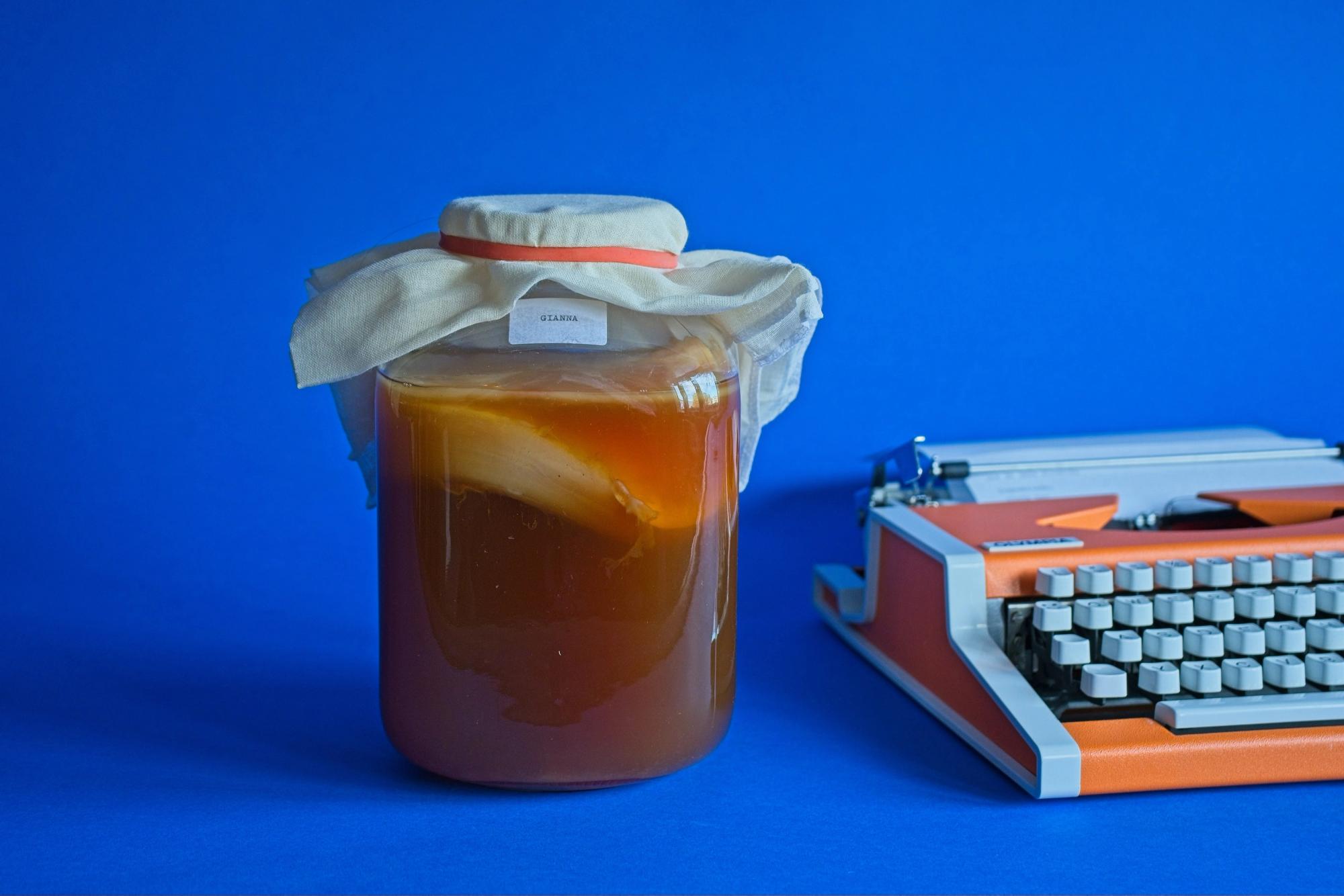
Organic kombucha brewed in Berlin since 2019, in flavours from ginger to cucumber and mint.
Organic kimchi and sauerkraut variations from the Wendland, sold in organic shops.
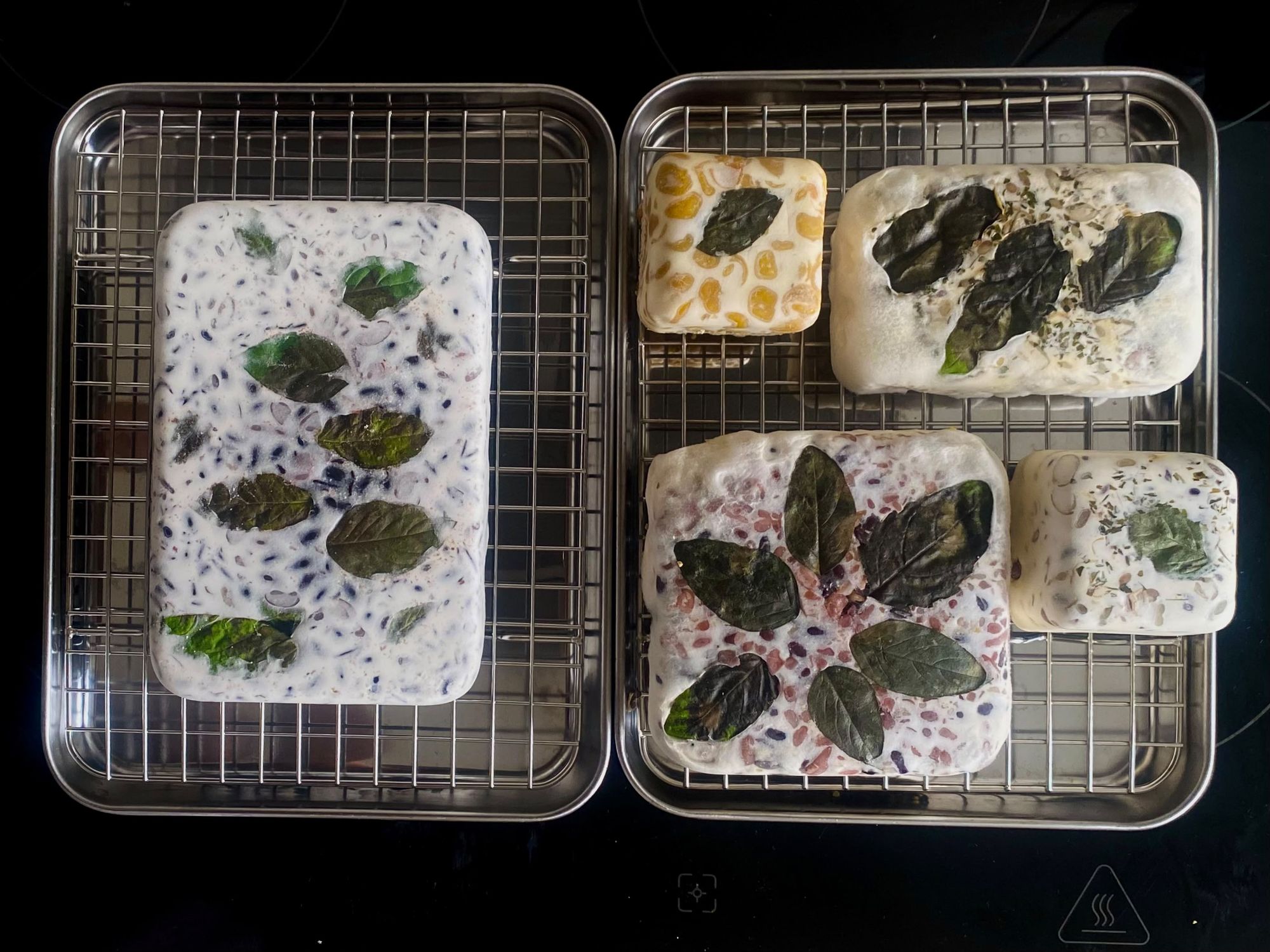
Organic tempeh made by hand in the Allgäu, not only from soy but also from lupin, kidney beans and black beans.
A Chiba sake brewery founded in the late 17th century, now in its 24th generation, brewing with wild yeast, kimoto and bodaimoto starters and organically grown rice. Musubi is made from unpolished brown rice.
A small Kreuzberg restaurant whose kitchen is built on local produce, the seasons and fermentation: bread miso, whey, jars of preserves on the shelves.
A restored castle on the Po where hundreds of culatelli mature for about 14 months in 700-year-old cellars. With a Michelin-starred restaurant and rooms.
A café where kombucha and other ferments are made, sold and tasted: raw kombucha, sauerkraut variations, kimchi, pickles, kefir and beetroot kvass.
The world's first Michelin-starred Peranakan restaurant. Chef Malcolm Lee, fourth-generation Peranakan, cooks heirloom Straits-Chinese recipes such as babi buah keluak.
Michelin-starred dessert dining in Neukölln. The kitchen uses fermentation to concentrate flavour, for example in fermented shiitake.
A Korean restaurant with its own kimchi manufactory. The handmade kimchi, including vegan versions, also ships across Germany.
A family-run picantería in Yanahuara where food is still ground on the batán and chicha de jora, fermented corn beer, is served with lunch.
A winery and restaurant in hilltop Sighnaghi making wine only in qvevri, clay vessels buried in the earth, with wild yeast, long skin contact and no added sulphur.
A pulquería in the historic centre, open since 1912, pouring natural pulque and rotating curados such as celery, oat and guava.
A nostalgic pickle shop in Cihangir: jars of turşu from cucumbers to peppers, and a glass of pickle juice at the counter.
A Charlottenburg cheese shop specialising in German raw-milk cheese from small farmstead cheesemakers.
Berlin company that began in a kitchen in 2015 with starter kits for kombucha, kefir, sourdough and yoghurt.
Online shop in Saxony for live cultures: milk kefir grains, water kefir crystals and kombucha.
A koji house making koji by hand since 1689. Myoho Asari, the 'Kojiya Woman', revived shio koji from Edo-period techniques and made it known across Japan.
Handmade koji, miso, shoyu, mirin and natto from Wedding, founded in 2017 by Markus Shimizu. Shop with tastings in the Osram-Höfe and an online shop.
British and Irish farmhouse cheeses since 1979, matured in the dairy's own rooms under the railway arches of Bermondsey.
The shop behind noma, opened in 2025, selling ferments from the restaurant's test kitchen and fermentation lab, such as mushroom garum.
The Paris bakery founded in 1932 whose large sourdough loaves are still made by slow leaven fermentation, now run by the third generation.
Premium sake sourced directly from more than 20 Japanese breweries, with a monthly tasting of seven sake styles.
Berlin market traders and online shop for traditionally salted, smoked and air-dried meats: Landjäger, salami, speck.
A Berkeley fermentation shop devoted to 'preservation, transformation', with a rice-and-pickles lunch at weekends.
A soy sauce brewery on Shodoshima whose fifth-generation owner brews in kioke, wooden barrels, many over 100 years old, and builds new ones himself each January. Tsuru-bishio takes about four years.
Salt, oil, spices, sun, time: we make achar together.
Eun-Young Cho was born in Berlin to Korean migrant workers whose 'Restaurant Kim Chi' of 1979 was the city's first Korean restaurant. She teaches baechu kimchi and cooks with it.
A five-hour sourdough basics course at the Neukölln bakery endorphina, with starter and recipes to take home.
A beginners' afternoon or evening on lactic fermentation in Hamburg, with tastings and your own mixed-vegetable ferment.
Two seasonal ferments and a traditional kimchi, plus history, microbiome and how ferments speed up meal prep. All vegetarian.
A chef with three-star experience shows how ferments speed up everyday cooking: dosa, fermented red cabbage, an Afghan tomato chutney.
Jem Stevens, Japanese cook and permaculture designer, teaches the tools, methods and science of fermenting vegetables. Two jars go home with you.
Living lemonades and sodas: how the original ginger ale was made by wild fermentation, with foraged ingredients and unrefined sugars.
The history of fermented hot sauce, tastings of ferments and probiotic drinks, and a DIY station where you make your own sauce to take home.
Edible Alchemy's classic vegetable evening in English: kimchi, kraut and pickles, a probiotic snack bar, and a custom jar to take home.
A monthly class at Seoul's kimchi museum: a museum tour, then you make about 400 g of kimchi with an expert and take it home.
We brew kombucha together and get to know the SCOBY.
Water kefir, kombucha and a low-alcohol fruit sparkling wine, made by hand in two hours. You take your cultures home.
Koryo Saram Cuisine in Berlin.
Set up your own kimchi by hand and taste different stages of fermentation to understand how lacto-fermentation works.
A hands-on kimchi evening in Zehlendorf with a tasting of different kimchis and a Korean-style snack.
How to grow koji on rice or barley and turn it into miso. You leave with your own miso and a bag of Aspergillus oryzae spores.
Opened in 2012 by the Indonesian tofu and tempeh producers' cooperative as a model for hygienic, environmentally friendly tempeh making. Offers training and educational factory visits.
The English-language version of Edible Alchemy's sourdough evening, with a piece of their 150-year-old Icelandic starter to take home.
We make tempeh together and talk about Peranakan cooking and the Chinese-Javanese history behind it.
Brew fizzy water kefir, learn how to care for the grains, and take live grains home.